Four Icon Challenge
Four Icons of the Cultural Figure of the Refugee

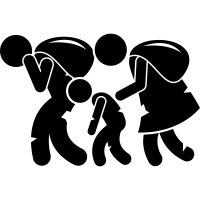


When searching for images of “refugee” online, it is evident that there is one common theme among the images — the theme of helplessness and need for rescue. This is shown in the 4-icon challenge to represent the cultural figure of the refugee. The four icons here represent the classic white saviour narrative, where Western countries take in foreign refugees. The white saviour trope continues to perpetuate a false narrative in Canada that works in favour of the government. This trope reflects how Canada racializes the concept of morality as identifiable with white people over non-white people.
Four Icons of Home by Warsan Shire




The four icons here depict the refugee experience detailed in the poem Home by Warsan Shire. Producing four icons to reflect Shire’s poem was a difficult task as Shire’s poem uncovered the dark truths beyond the common trope attached to the cultural figure of the refugee. Comparing the two sets of icons showcases how the cultural perception of refugees excludes the traumatic aspects of the journey to seek refuge.
Home describes how no one leaves their home unless they are left with no choice but to escape life-threatening circumstances, or in Shire’s words, “when home wont let you stay”. The dangerous, inhumane measures of escaping are put into perspective to explain how they are safer than the land of home. Asylum seekers may endure refugee camps, strip searches, prison, rape and sexual abuse because it is safer than home. They brave racial slurs and racially motivated attacks by nationalists and racists because it is easier to swallow than home. When the sole motive is survival, every hurdle is just a closer step to freedom.
I have always known that seeing refuge is not an easy journey, but I mainly believed this was due to the difficulty of adjusting in the new country. I had not known about the gruesome process leading up to becoming a refugee, if the claim is ever adjudicated. Home by Warsan Shire allowed me to gain more knowledge about the refugee experience, without the exclusion unpleasant details.
 CMNS423 ePortfolio #1